
What You Need to Know
You came for a winter walk on Dartmoor. The moor looks different now. Frost on the granite. Mist rolling across the tors, with fresh cold air. This is Dartmoor at its most dramatic. The walks are still here. You just need to know what you’re doing.
Winter on Dartmoor is serious. The weather changes fast. Mist can roll in within minutes. What was a clear path becomes invisible. The temperature drops. Rain turns to sleet. You need proper gear and you need to know your route before you start.
What to Wear
Layers. Not one thick coat. Multiple layers you can add or remove as you warm up or the weather changes. Base layer that wicks moisture. Mid-layer for warmth. Waterproof outer layer that actually works. The cheap waterproof you bought three years ago won’t cut it here.
Boots. Not trainers. Not “walking shoes.” Proper waterproof walking boots with ankle support and grip. The ground is wet. The rocks are slippery. The bogs are real. Your feet will get wet if your boots aren’t up to it.
Hat and gloves. You lose heat through your head and hands faster than anywhere else. Bring spares. Wet gloves are useless.
The Routes
The winter routes are shorter. Not because you can’t handle distance, but because daylight runs out fast and weather can trap you. A 10-mile summer walk becomes a 5-mile winter walk when you factor in conditions and darkness.
Vixen Tor from The Dartmoor Inn (2 miles, 1 hour): The classic short walk. Start from your doorstep. Follow the obvious path. Vixen Tor rises ahead of you. The tor is dramatic in winter light. Get there, take it in, come back. Perfect before lunch.
Staple Tor Circuit (3 miles, 1.5 hours): Slightly longer. More exposed. Better views. You see across the moor to Hound Tor and Haytor in the distance. The wind hits harder up here. This is proper moorland walking.
Great Mis Tor (4 miles, 2 hours): The longest winter walk most people should attempt from Merrivale. Higher elevation. More exposure. Stunning views if the weather holds. Turn back if mist comes in. No heroics.
The Rules
Tell someone where you’re going. Not just ‘out for a walk.’ Actual route and expected return time. If you don’t come back, someone needs to know where to look.
Check the weather before you leave. Not just the forecast. Look at the actual sky. See what’s coming. If it looks bad, it probably is bad.
Bring a map and compass. Your phone will die. The signal will drop. Paper doesn’t run out of battery. Know how to use them before you need them.
Carry food and water. More than you think you need. A chocolate bar and a bottle of water won’t get you through if something goes wrong.
Start early. Winter daylight is short. You want to be back before dark. Starting at 2pm in January is asking for trouble.
Why Walk in Winter
The moor is empty. Summer crowds are gone. You see maybe five people all day. Often none. The tors are yours. The views are yours. The silence is real.
The light is different. Low winter sun creates shadows and contrast that don’t exist in summer. The granite glows. The landscape becomes three-dimensional. This is when photographers come.
The weather is dramatic. You see storms approaching from miles away and watch mist sweep across valleys. You feel the wildness of the place. This is Dartmoor at full power.
After the Walk
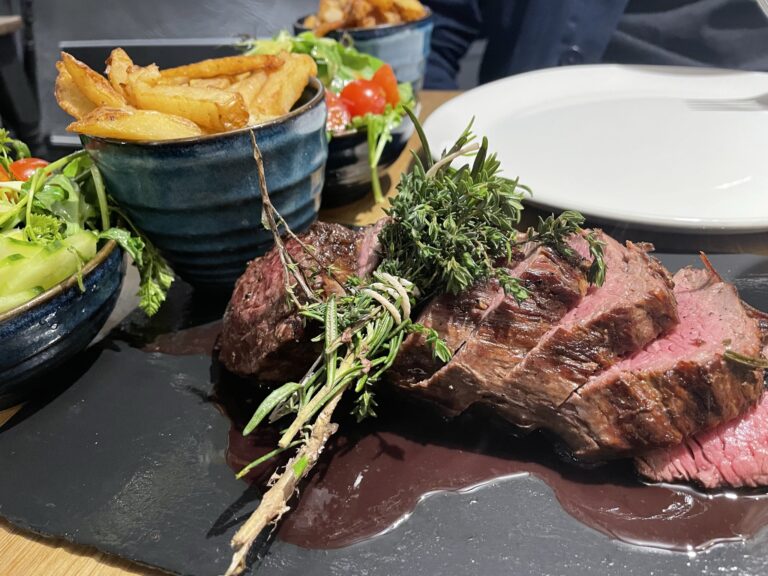
You come back cold and hungry. Walk through the door of the Dartmoor Inn, Merrivale. The fire is lit. The heat hits you. You sit down. Your 28-day aged grass-fed steak is cooking over flames right now. Triple-cooked chips. Peppercorn sauce. This is why you walked. This is why you came.
Winter walking on Dartmoor isn’t gentle countryside rambling. It’s proper moorland. It demands respect. But if you come prepared, if you know what you’re doing, if you pick the right route, you’ll see Dartmoor the way it’s meant to be seen.
The moor is waiting. The walks are there. Come prepared.
Book your winter stay: dartmoorinnmerrivale.co.uk or call 01822 890240